.png)


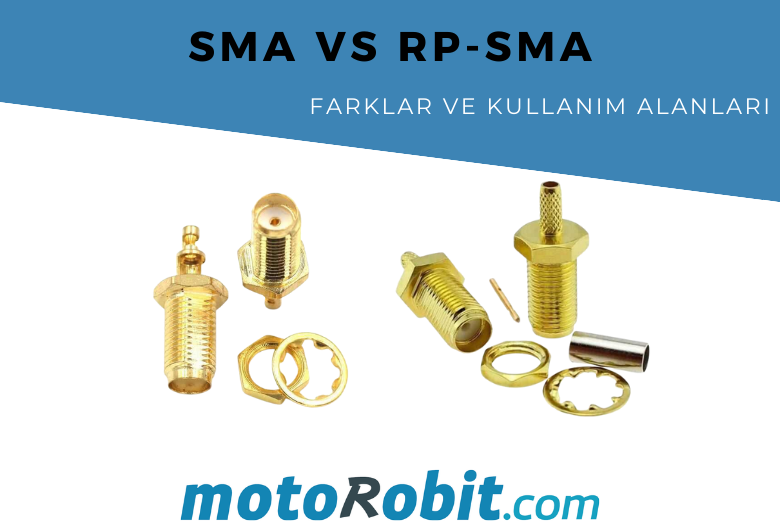
SMA and RP-SMA Connectors: Differences, Applications
1. SMA and RP-SMA Connectors: Fundamental Differences
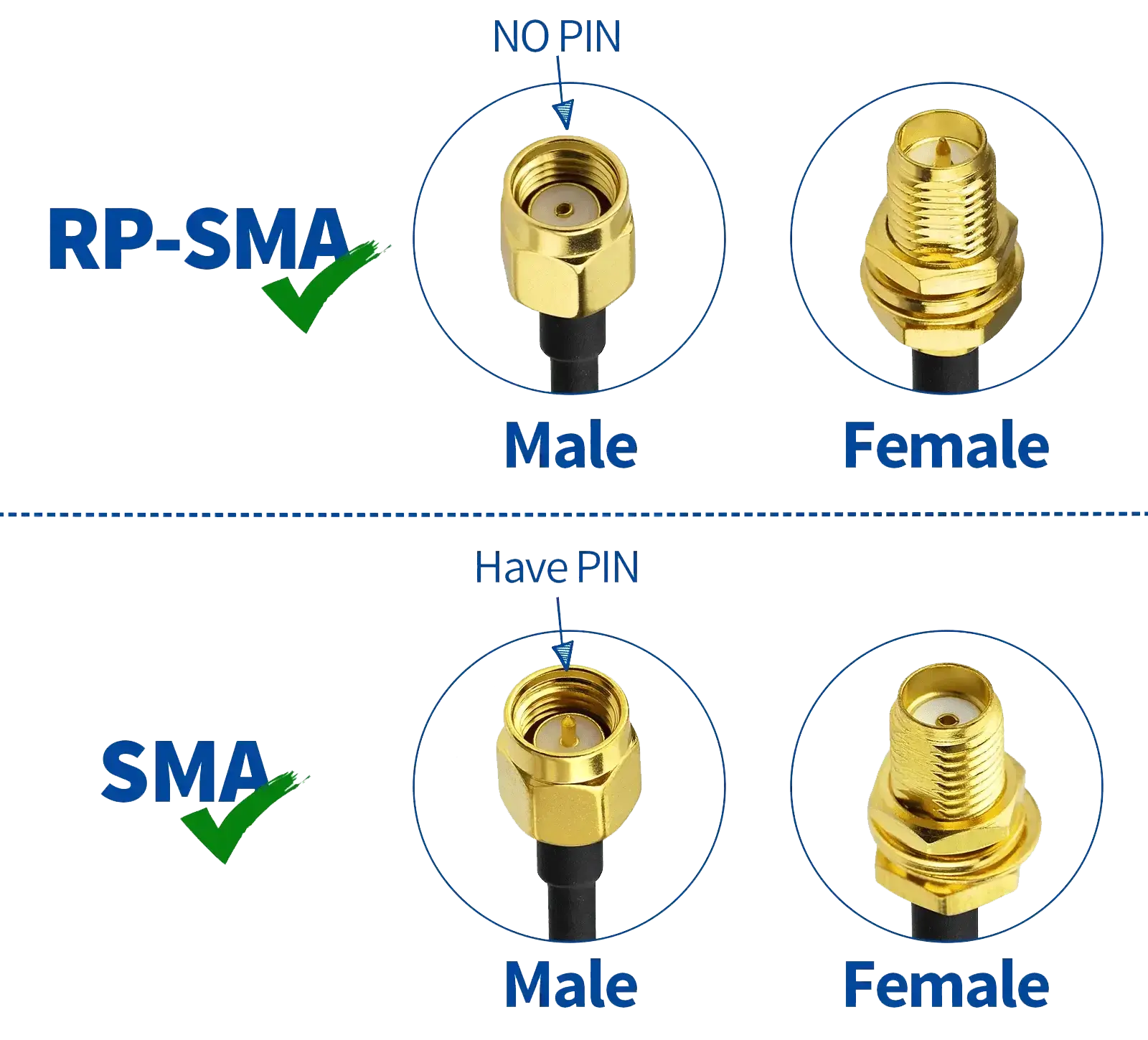
In SMA connectors, the male connector has a center pin that protrudes outward, whereas in RP-SMA connectors, this polarity is reversed. In RP-SMA connectors, the male connector has a center pin that goes inward.
RP-SMA connectors are identified with the term "Reverse Polarity," indicating that the polarity is reversed compared to standard SMA connectors.
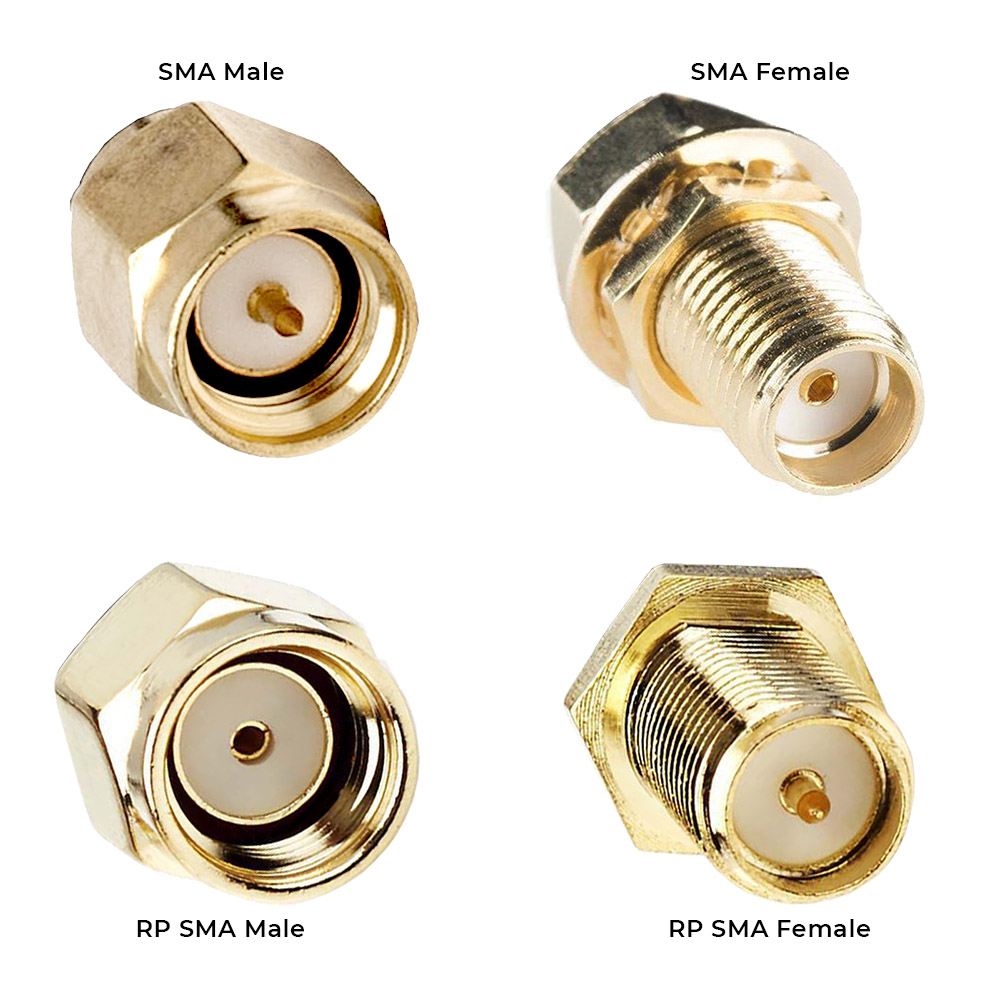
Standard SMA and RP-SMA connectors are incompatible with each other. Using incorrect connectors can lead to connection errors and signal losses.
2. Usage Areas
SMA connectors are generally accepted as an industry standard and can be found in a wide range of applications. They are used in many areas such as wireless communication equipment, RF devices, and antenna connections.
RP-SMA connectors are particularly used in portable devices and some wireless routers. Although not standardized, they are commonly found in certain devices.
3. How Not to Confuse Them?
It is important to check the requirements of the device and the standards used when purchasing connectors. Selecting compatible connectors ensures the correct connection.
Particular attention should be paid to antenna connections. Incorrect connector usage can lead to signal losses and connection issues.
The reverse polarity of RP-SMA connectors can be misleading to users. They should be carefully checked, and the use of adapters should be avoided when necessary.
Conclusion: Make Careful and Informed Choices
SMA and RP-SMA connectors play an important role in the world of wireless communication. Choosing the right connectors is critical in terms of compatibility and performance. Paying attention to users' needs and the requirements of the device will prevent confusion. With conscious and correct choices, you can establish robust and reliable RF connections.
You can view all types of SMA and RP-SMA connectors on our website here.
I2C Sensor Not Working: Address, Pull-up Resistor, and Connection Check
Why Does a Stepper Motor Miss a Step? Current, Speed, and Load Settings
How to Check Voltage, Amperage, and Connector Polarity When Choosing an Adapter?
How to Use the ST750E 750W Digital AC 3-Phase Motor Speed Control Module?
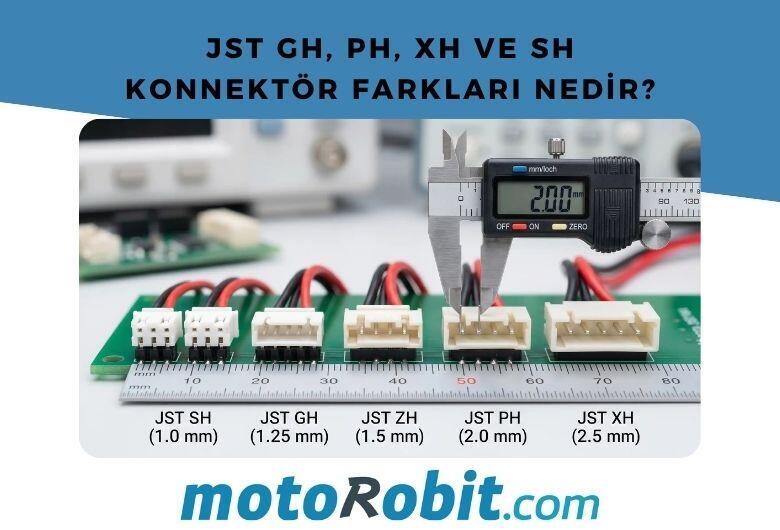
JST GH vs PH vs XH vs SH Connectors: Differences